Polish actor Zbigniew 'Zbyszko' Sawan (1904–1984) starred both in silent and sound films and was a respected stage actor in his country. He also worked as a theatre director and manager.
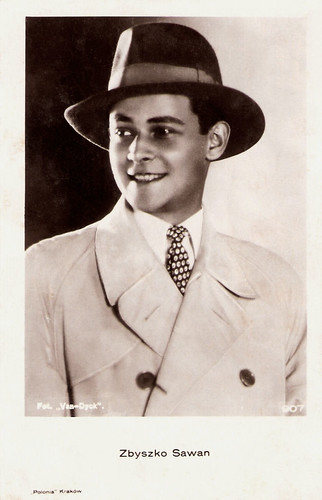
Polish postcard by Polonia, Krakow, no. 907. Photo: Van Dyck.
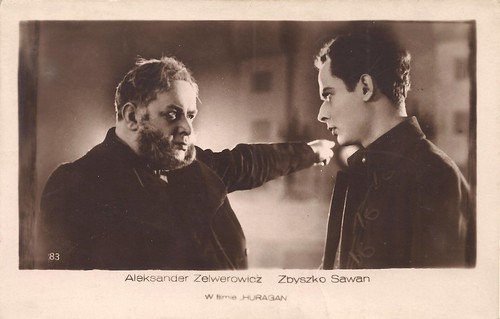
Polish postcard, no. 83. Photo: publicity still for Huragan / Hurricane (Joseph Lejtes, 1928) with Aleksander Zelwerowicz. Collection: Joanna.

Polish postcard by Polonia, Krakow, no. 687. Photo: Lux-Film. Zbyszko Sawan in the Polish romance Dzikuska / Savage (Henryk Szaro, 1928).
Zbigniew 'Zbyszko' Sawan was born as Zbigniew Nowakowski in Voskresenovka, Russian Empire, now Russia, in 1904. He was the brother of the actress Jadwiga Boryta.
After graduating from the Szkoły Dramatycznej (Drama School) in Warsaw, he made his stage debut at the Teatr im. Słowackiego in Kraków.
In 1928, he played the leading role in the Polish-Austrian historical drama film Huragan / Hurricane (Joseph Lejtes, 1928).
In the following years, he appeared in more silent Polish productions, including the romance Dzikuska / Savage (Henryk Szaro, 1928), the drama Przedwiosnie / Early Spring (Henryk Szaro, 1928) and Policmajster Tagiejew / Police Foreman Tagiejew (Juliusz Gardan, 1929).
In these films, the handsome actor often played jeune premier roles as the young student or the romantic artist. He was also credited as Zbyszko Sawan.
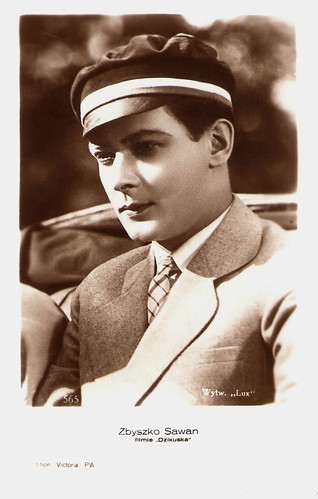
Polish postcard by Victoria, no. 565. Photo: Lux. Publicity still for Dzikuska/Savage (1928).
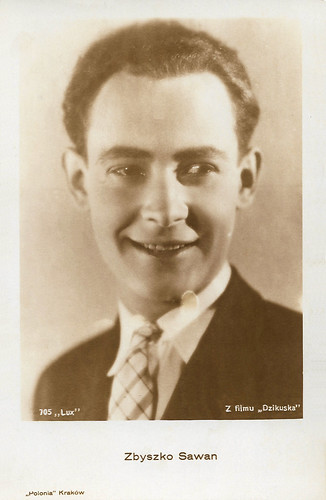
Polish postcard by Polonia, Kraków, no. 705. Photo: Lux-Film. Publicity still for Dzikuska / Savage (Henryk Szaro, 1928).

Polish postcard by Polonia, Kraków, no. 934. Photo: Lux-Film. Zbyszko Sawan in Pod banderą miłości / Under the Milosci flag (Michal Waszynski, 1929).
In 1930, after the introduction of sound film, Paramount contracted Zbigniew Sawan to appear in their French studio in Joinville to star in the drama Tajemnica lekarza (Ryszard Ordynski, 1930). This was an alternate-language version of their production The Doctor's Secret (William C. De Mille, 1929) starring Ruth Chatterton and John Loder.
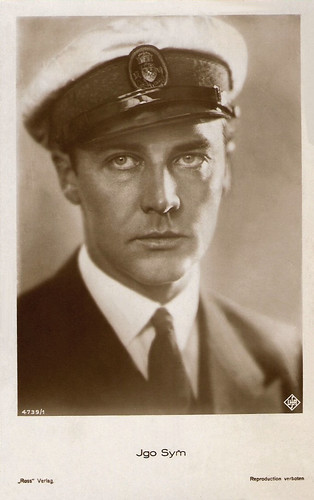
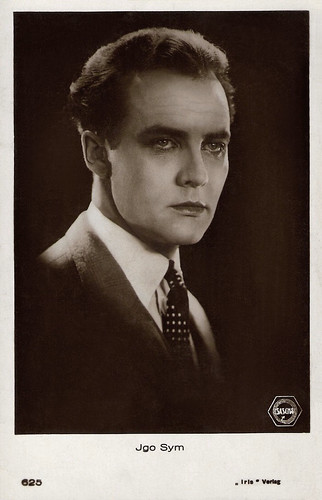
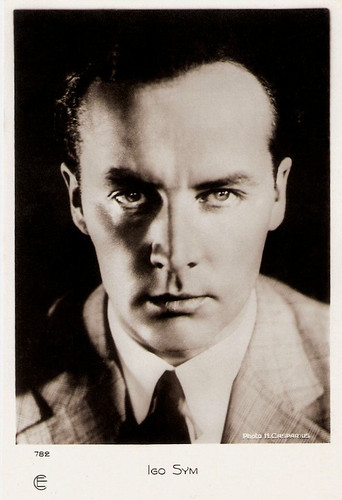
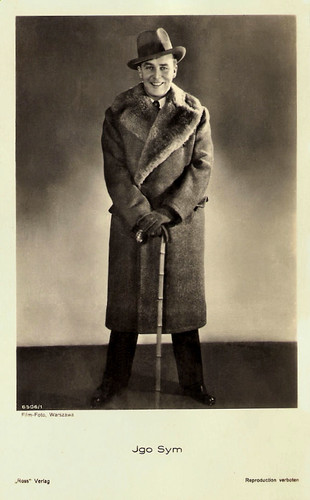
Other early sound films were the romantic thriller Serce na ulicy / Heart on the Street (Juliusz Gardan, 1931) with Nora Ney, Uwiedziona / Seduced (Michal Waszynski, 1931) starring Maria Malicka, and Palac na kólkach / Palace on Wheels (Ryszard Ordynski, 1932) with Igo Sym.
After an interval, he starred in two more films in the late 1930s, Ostatnia brygada / Last Brigade (Michal Waszynski, 1938) with Maria Gorczynska, and Czarne diamenty / Black Diamonds (Jerzy Gabryelski, 1939).
Then World War II ended his film career. Most of the actors who boycotted German-controlled theatres during the war had to find another way to make a living. He rejected offers to start working for the pro-Nazi Ufa.
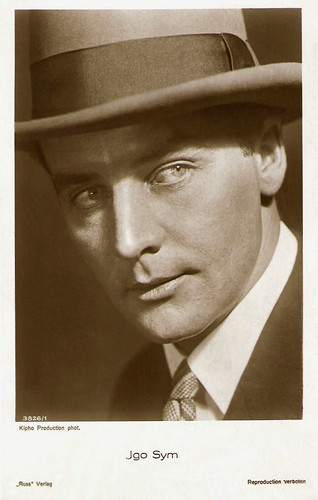
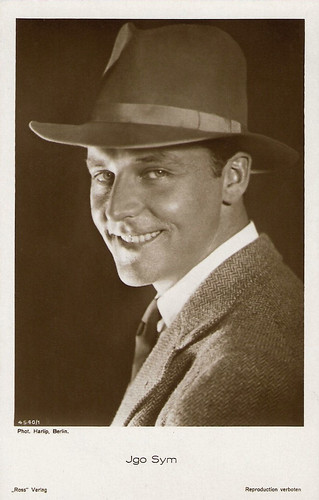
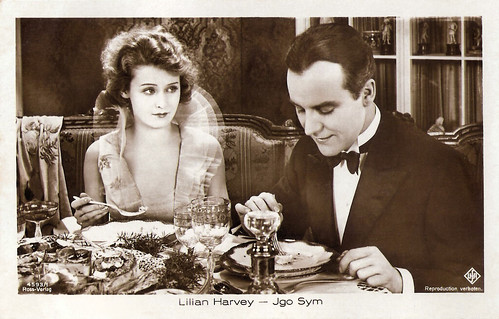
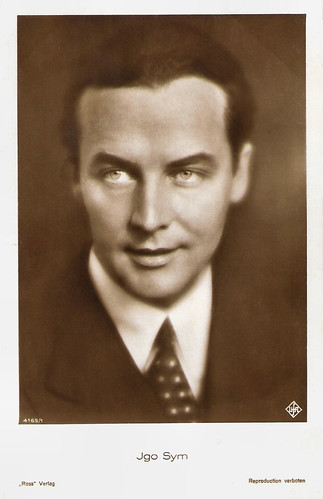
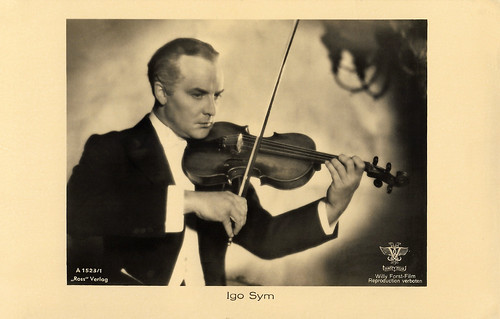
Blacklisted, he was taken hostage (along with other Polish artists) by the Gestapo in 1941 and as a result of German retaliatory action for the Polish resistance assassination of the Nazi spy Igo Sym, his co-star from Palac na kólkach (1932). Sawan ended up in the Auschwitz concentration camp, but happily, he survived.
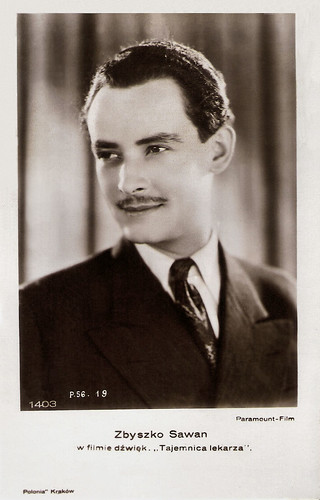
Polish postcard by Polonia, Kraków, no. 1403. Photo: Paramount-Film. Publicity still for Tajemnica Lekarza / The Doctor's Secret (Ryszard Ordynski, 1930).
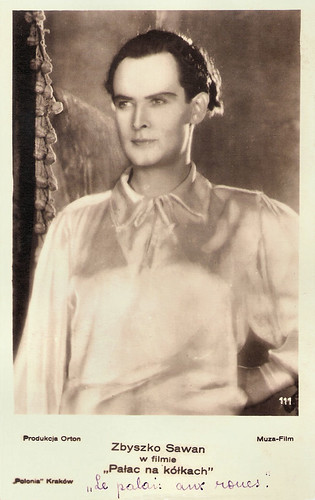
Polish postcard by Polonia, Kraków, no. 111. Photo: Produkcja Orton / Muza-Film. Publicity still for Palac na kólkach / Palace on Wheels (Ryszard Ordynski, 1932).
After the war, Zbigniew Sawan began performing in Teatr Mały in Warsaw alongside his wife, the former film actress Lidia Wysocka, whom he had married in 1943. They later also performed together in Teatr Miniatura in Warsaw and Teatr Nowy.
In 1947, they moved to the Polish Theatre in Szczecin, where Sawan would take the manager's seat. The couple returned to Warsaw in 1949 and started working in Teatr Ludowy: Sawan again as the manager, while his wife began directing plays.
More than 20 years after his last film, he made a screen comeback in Odwiedziny prezydenta / Visit of a President (Jan Batory, 1961) with Beata Tyszkiewicz. He also appeared in Andrzej Wajda’s Popioly / Ashes (1965) starring Daniel Olbrychski, and Katastrofa / Catastrophe (Sylwester Checinski, 1966) as the father of Marta Lipinska.
During the 1970s, he played small parts in such films as Epilog norymberski / Nuremberg Epilogue (Jerzy Antczak, 1971), the war drama Akcja pod Arsenalem / Action at the Arsenal (Jan Lomnicki, 1978) and Aria dla atlety / Aria for an Athlete (Filip Bajon, 1979).
His final film was the drama Klejnot wolnego sumienia / The Supreme Value of a Free Conscience (Grzegorz Królikiewicz, 1983). Later, he only appeared as a priest in the Polish-British TV production Ceremonia pogrzebowa / Funeral Ceremony (Jacek Bromski, 1985). Zbigniew Sawan died in 1984 in Warszawa (Warsaw), Poland, at the age of 80. He was survived by his wife, Lidia Wysocka.
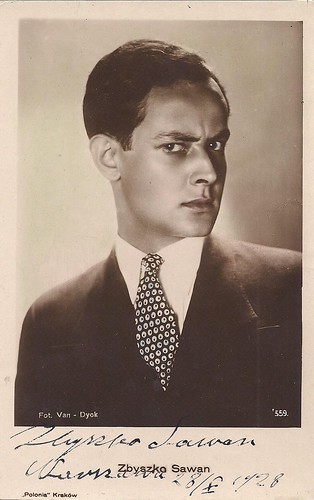
Polish postcard by Polonia, Krakow, no. 559. Photo: Van Dyck. Signature from 1928. Collection: Joanne.

Polish postcard by Edition Victoria. Photo: Lux. Publicity still for Dzikuska / Savage (Henryk Szaro, 1928) with Marja Malicka. Collection: Joanna.
Sources: Film Polski (Polish), Wikipedia (English and Polish) and IMDb.
Polish postcard by Polonia, Krakow, no. 907. Photo: Van Dyck.
Polish postcard, no. 83. Photo: publicity still for Huragan / Hurricane (Joseph Lejtes, 1928) with Aleksander Zelwerowicz. Collection: Joanna.
Polish postcard by Polonia, Krakow, no. 687. Photo: Lux-Film. Zbyszko Sawan in the Polish romance Dzikuska / Savage (Henryk Szaro, 1928).
Romantic artist
Zbigniew 'Zbyszko' Sawan was born as Zbigniew Nowakowski in Voskresenovka, Russian Empire, now Russia, in 1904. He was the brother of the actress Jadwiga Boryta.
After graduating from the Szkoły Dramatycznej (Drama School) in Warsaw, he made his stage debut at the Teatr im. Słowackiego in Kraków.
In 1928, he played the leading role in the Polish-Austrian historical drama film Huragan / Hurricane (Joseph Lejtes, 1928).
In the following years, he appeared in more silent Polish productions, including the romance Dzikuska / Savage (Henryk Szaro, 1928), the drama Przedwiosnie / Early Spring (Henryk Szaro, 1928) and Policmajster Tagiejew / Police Foreman Tagiejew (Juliusz Gardan, 1929).
In these films, the handsome actor often played jeune premier roles as the young student or the romantic artist. He was also credited as Zbyszko Sawan.
Polish postcard by Victoria, no. 565. Photo: Lux. Publicity still for Dzikuska/Savage (1928).
Polish postcard by Polonia, Kraków, no. 705. Photo: Lux-Film. Publicity still for Dzikuska / Savage (Henryk Szaro, 1928).
Polish postcard by Polonia, Kraków, no. 934. Photo: Lux-Film. Zbyszko Sawan in Pod banderą miłości / Under the Milosci flag (Michal Waszynski, 1929).
Blacklisted
In 1930, after the introduction of sound film, Paramount contracted Zbigniew Sawan to appear in their French studio in Joinville to star in the drama Tajemnica lekarza (Ryszard Ordynski, 1930). This was an alternate-language version of their production The Doctor's Secret (William C. De Mille, 1929) starring Ruth Chatterton and John Loder.
Other early sound films were the romantic thriller Serce na ulicy / Heart on the Street (Juliusz Gardan, 1931) with Nora Ney, Uwiedziona / Seduced (Michal Waszynski, 1931) starring Maria Malicka, and Palac na kólkach / Palace on Wheels (Ryszard Ordynski, 1932) with Igo Sym.
After an interval, he starred in two more films in the late 1930s, Ostatnia brygada / Last Brigade (Michal Waszynski, 1938) with Maria Gorczynska, and Czarne diamenty / Black Diamonds (Jerzy Gabryelski, 1939).
Then World War II ended his film career. Most of the actors who boycotted German-controlled theatres during the war had to find another way to make a living. He rejected offers to start working for the pro-Nazi Ufa.
Blacklisted, he was taken hostage (along with other Polish artists) by the Gestapo in 1941 and as a result of German retaliatory action for the Polish resistance assassination of the Nazi spy Igo Sym, his co-star from Palac na kólkach (1932). Sawan ended up in the Auschwitz concentration camp, but happily, he survived.
Polish postcard by Polonia, Kraków, no. 1403. Photo: Paramount-Film. Publicity still for Tajemnica Lekarza / The Doctor's Secret (Ryszard Ordynski, 1930).
Polish postcard by Polonia, Kraków, no. 111. Photo: Produkcja Orton / Muza-Film. Publicity still for Palac na kólkach / Palace on Wheels (Ryszard Ordynski, 1932).
A screen come-back
After the war, Zbigniew Sawan began performing in Teatr Mały in Warsaw alongside his wife, the former film actress Lidia Wysocka, whom he had married in 1943. They later also performed together in Teatr Miniatura in Warsaw and Teatr Nowy.
In 1947, they moved to the Polish Theatre in Szczecin, where Sawan would take the manager's seat. The couple returned to Warsaw in 1949 and started working in Teatr Ludowy: Sawan again as the manager, while his wife began directing plays.
More than 20 years after his last film, he made a screen comeback in Odwiedziny prezydenta / Visit of a President (Jan Batory, 1961) with Beata Tyszkiewicz. He also appeared in Andrzej Wajda’s Popioly / Ashes (1965) starring Daniel Olbrychski, and Katastrofa / Catastrophe (Sylwester Checinski, 1966) as the father of Marta Lipinska.
During the 1970s, he played small parts in such films as Epilog norymberski / Nuremberg Epilogue (Jerzy Antczak, 1971), the war drama Akcja pod Arsenalem / Action at the Arsenal (Jan Lomnicki, 1978) and Aria dla atlety / Aria for an Athlete (Filip Bajon, 1979).
His final film was the drama Klejnot wolnego sumienia / The Supreme Value of a Free Conscience (Grzegorz Królikiewicz, 1983). Later, he only appeared as a priest in the Polish-British TV production Ceremonia pogrzebowa / Funeral Ceremony (Jacek Bromski, 1985). Zbigniew Sawan died in 1984 in Warszawa (Warsaw), Poland, at the age of 80. He was survived by his wife, Lidia Wysocka.
Polish postcard by Polonia, Krakow, no. 559. Photo: Van Dyck. Signature from 1928. Collection: Joanne.
Polish postcard by Edition Victoria. Photo: Lux. Publicity still for Dzikuska / Savage (Henryk Szaro, 1928) with Marja Malicka. Collection: Joanna.
Sources: Film Polski (Polish), Wikipedia (English and Polish) and IMDb.