Sylvain Poons (1896-1985) was a Jewish actor and singer from Amsterdam who appeared in many popular Dutch musical films from the 1930s. After the war, he sang a famous duet with the then 14-year-old Oetze Verschoor, the sad fisher ballad 'Zuiderzeeballade'. It became an evergreen of Dutch pop music.

Dutch postcard by M. Bonist & Zonen, Amsterdam, no. B 314. Photo: Loet C. Barnstijn / Hollandia Film Prod. Henriëtte Davids and Sylvain Poons in De Jantjes / The Tars (Jaap Speyer, 1934).
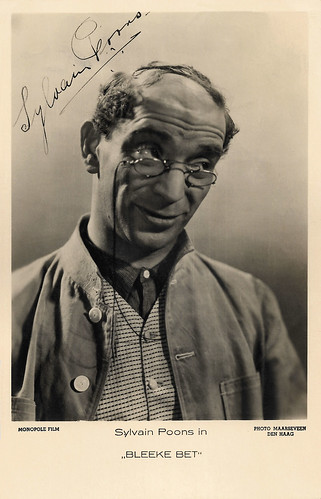
Dutch postcard by Monopole Film, Amsterdam. Photo: Maarseveen, Den Haag. Sylvain Poons in the Dutch tragicomedy Bleeke Bet / Bleak Beth (Richard Oswald, Alex Benno, 1934).
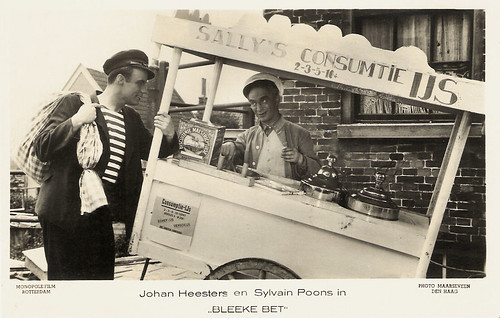
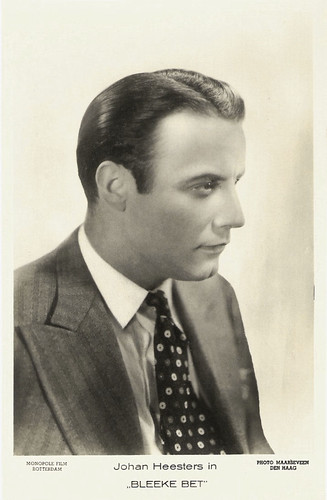
Dutch postcard by Monopole Film, Amsterdam. Photo: Maarseveen, Den Haag. Sylvain Poons and Johan Heesters in the Dutch tragicomedy Bleeke Bet (Richard Oswald, Alex Benno, 1934). Collection: Geoffrey Donaldson Institute.
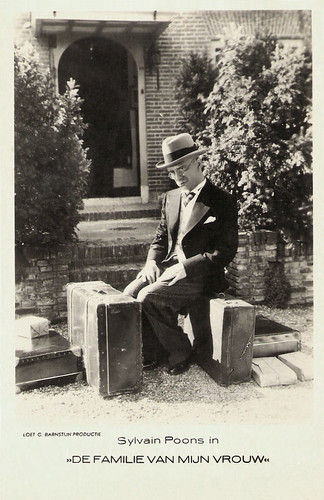
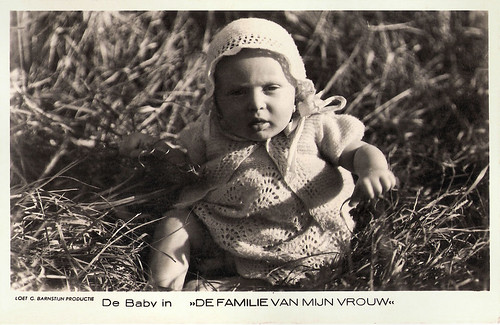
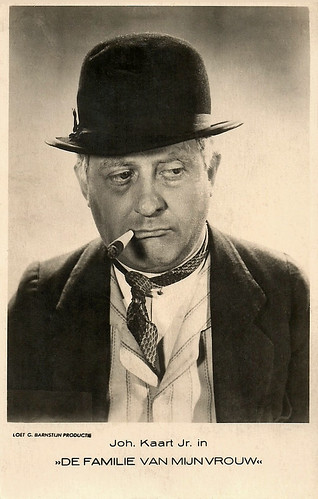
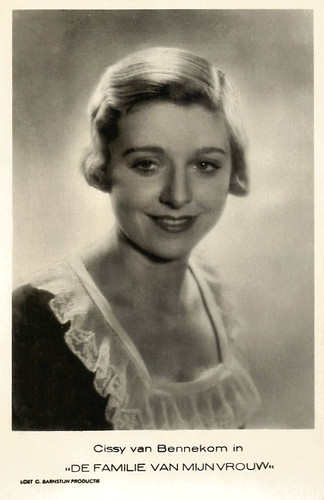
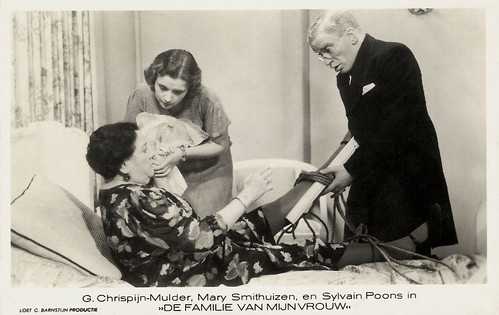
Dutch postcard by M. B.& Z. (M. Bonnist & Zonen, Amsterdam). Photo: Loet C. Barnstijn Productie. Still for De familie van mijn vrouw / My Wife's Family (Jaap Speyer, 1935).
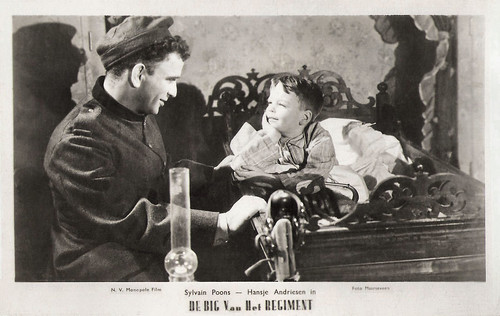
Dutch postcard by Drukkery Joh. Mulder, Gouda for Victoria Bioscoop. Photo: Dick van Maarseveen / N.V. Monopole Film. Sylvain Poons and Hansje Andriesen in De Big van het Regiment / The Darling of the Regiment (Max Nosseck, 1935).
Sylvain Albert Poons was born in Amsterdam, The Netherlands, in 1896. As the son of the singer Salomon Poons and the actress Elise van Biene, he was destined to become an artist, like his elder sister Fanny Ella, who became known as Fanny Lohoff-Poons.
Sylvain debuted as a stage extra in the season of 1912-1913 for Colnot & Poons, a company named after the two directors of the Plantage Schouwburg (Plantage Theatre): Guus Colnot and Salomon Poons, Sylvain’s father. He played in operettas and variety shows, and once in a while, he appeared in a 'serious' role.
Poons also worked for the early Dutch cinema. He appeared in silent films as Levensschaduwen / Life's Shadows (Theo Frenkel, 1916), De Duivel / The Devil (Theo Frenkel, 1918), Het Proces Begeer / The Begeer Case (Theo Frenkel, 1918) and Moderne Landhaaien / Modern Land Sharks (Alex Benno, 1926). Poons was remarked for his natural way of acting. With Henriëtte ‘Heintje’ Davids, he played in the early Belgian sound film Jeunes filles en liberté / Young Girls in Freedom (Fritz Kramp, 1933).
Poons also appeared in one of the first Dutch sound films, De Jantjes / The Tars (Jaap Speyer, 1934). This musical film was an enormous box office hit and starred popular Dutch stage stars as Fien de la Mar, Heintje Davids, and Louis Davids, Heintje's even more popular brother. In the film, Poons sings a song with Heintje, 'Omdat ik zoveel van je hou' (Because I love you so much). It became a classic duet, and the success of De Jantjes created a wave of Dutch sound films.
That same year, Poons appeared as the smart ice-cream man Sally in Bleeke Bet / Pale Beth (Alex Benno, Richard Oswald, 1934) with Corry Vonk and Johannes Heesters. Other films in which he appeared were De Familie Van Mijn Vrouw / My Wife’s Family (Jaap Speyer, 1935), De Big Van Het Regiment / The Big of the Regiment (Max Nosseck, 1935) with Frits van Dongen a.k.a. Philip Dorn, Kermisgasten / Carnival People (Jaap Speyer, 1936) with Johan Kaart, and Oranje Hein / Orange Hein (Max Nosseck, 1936) with Herman and Aaf Bouber.
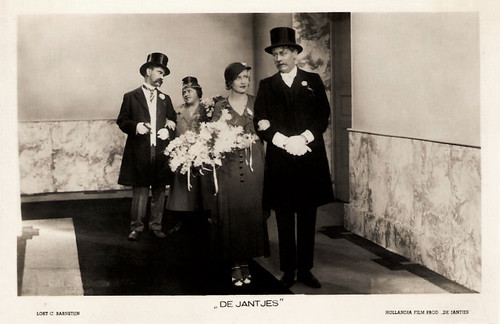
Dutch postcard. Photo: Loet C. Barnstijn/Hollandia Film Prod. Publicity still for De Jantjes / The Tars (1934), Sylvain Poons together with Heintje Davids in the background.
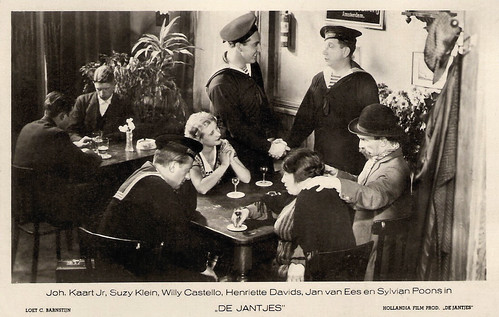
Dutch postcard by Hollandia Film Prod./Loet C. Barnstijn. Photo: publicity still for De Jantjes / The Tars (1934) with Johan Kaart, Suzy Klein, Willy Costello, Heintje Davids, Jan van Ees and Sylvain Poons. Collection: Geoffrey Donaldson Institute.
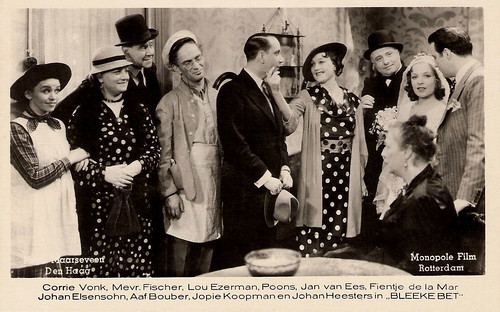
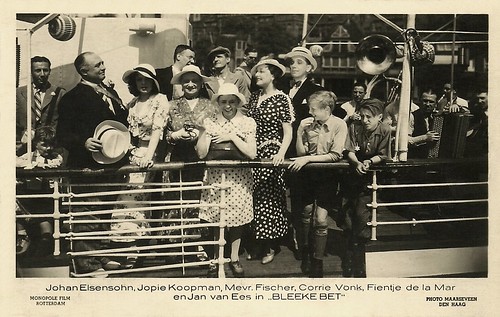
Dutch Postcard by Monopole Film, Rotterdam. Photo: Dick van Maarseveen, Den Haag (The Hague). Publicity still for Bleeke Bet / Pale Beth (1934), fourth from left, Sylvain Poons.
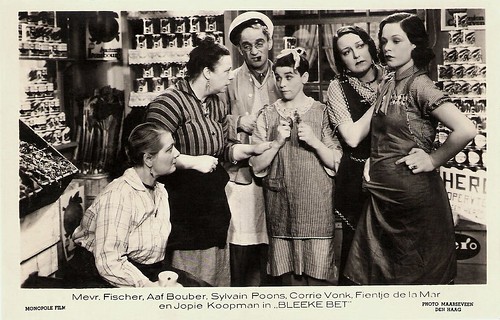
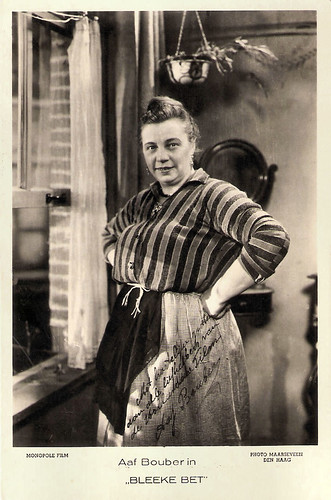
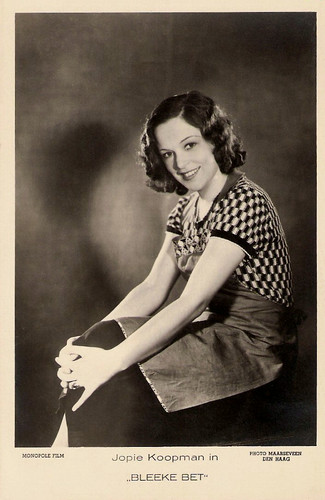
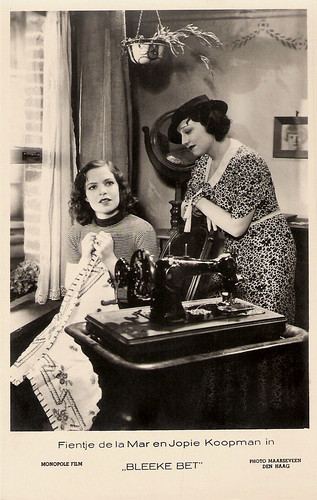
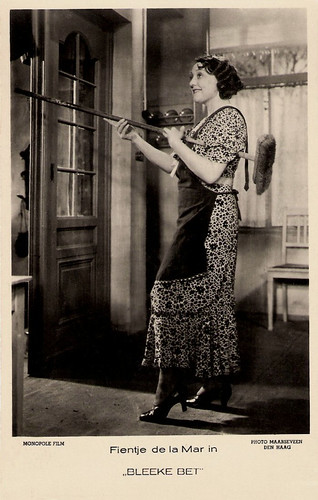
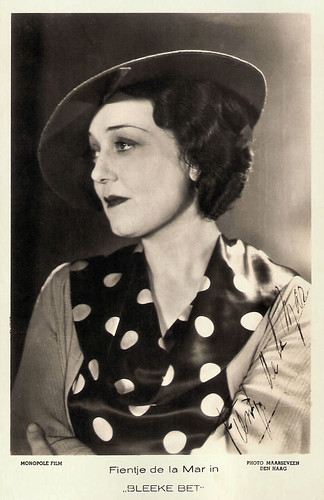
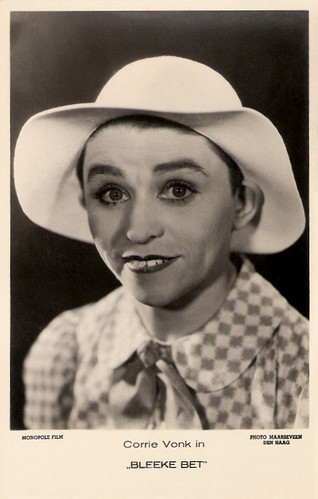
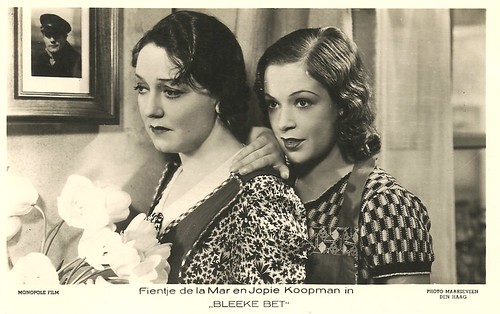
Dutch postcard by Monopole Film, Amsterdam. Photo: Maarseveen, Den Haag. Clara Vischer-Blaaser, Aaf Bouber, Sylvain Poons, Corry Vonk, Fien de la Mar and Jopie Koopman in the Dutch tragicomedy Bleeke Bet / Pale Beth (Richard Oswald, Alex Benno, 1934).
During the Second World War, Sylvain Poons was a member of the Joodsch Kleinkunstensemble (Jewish Variety Company). They performed in the Hollandse Schouwburg (Dutch Theatre) in Amsterdam, which was renamed Joodsche Schouwburg (Jewish Theatre). When it was no longer safe for Jews, he fled into a hiding place.
After the liberation, he appeared again in a lot of plays on stage and on TV. For a long time, he was a permanent member of the radio actors' company. He also appeared in some films, such as the Belgian-German crime film Le Banquet des Fraudeurs / The Smugglers' Banquet (Henri Storck, 1952) with Françoise Rosay. He also played supporting parts in the Dutch films Vier Jongens en een Jeep / Four Boys and a Jeep (Ernst Winar, 1955) and Fietsen Naar De Maan / Cycling to the Moon (Jef van der Heyden, 1963).
He had a huge hit with his duet 'De Zuiderzeeballade' (The Southern Sea Ballad, 1959), sung with the 14-year-old Oetze Verschoor as an old man and his grandson. The record became gold (more than 100,000 records were sold). Poons also recorded several Jewish songs and classics from his pre-war film musicals, including 'Sally met de roomijskar' (Sally with the Ice Cream Cart) from Bleeke Bet (1934) and his classic duet with Heintje Davids from De Jantjes (1934), 'Omdat ik zoveel van je hou' (Because I love you so much).
In later life, he often played the Jewish schlemiel, like his character Abraham Mossel in the popular TV series De kleine waarheid / The Little White Lie (Willy van Hemert, 1971-1972) starring singer Willeke Alberti in her acting debut. His final stage play was the comedy 'Getrouwd of niet?' (Black on White) by Ephraim Kishon in 1967/1968, which also marked his 50 years Jubilee in the theatre. In 1973, he had to retire because of bad health.
Later, he was made a Knight in the Order of Orange-Nassau. After the death of his wife, Ilse Becker, he lived the last years of his life in an elderly home in Amsterdam. Sylvain Poons died in 1985, 89 years old.
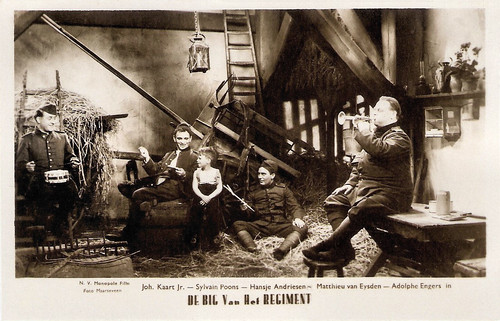
Dutch postcard by Monopole Film N.V. Photo: Dick van Maarseveen. Still for De Big van het Regiment (Max Nosseck, 1935) with Johan Kaart, Sylvain Poons, Hansje Andriesen, Matthieu van Eysden, and Adolphe Engers. Collection: Geoffrey Donaldson Institute.

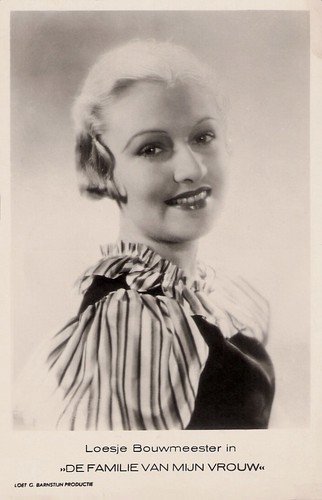
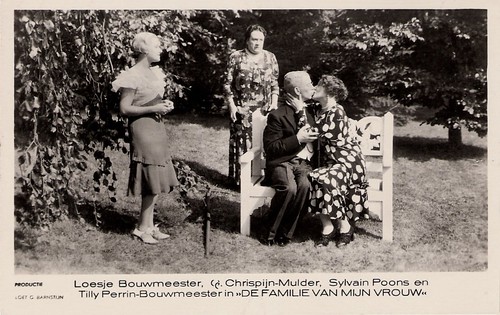
Dutch postcard by M. B.& Z. (M. Bonnist & Zonen, Amsterdam). Photo: Loet C. Barnstijn Film. Still for De familie van mijn vrouw (Jaap Speyer, 1935) with Loesje Bouwmeester, Gusta Chrispijn-Mulder, Sylvain Poons and Tilly Perin-Bouwmeester.
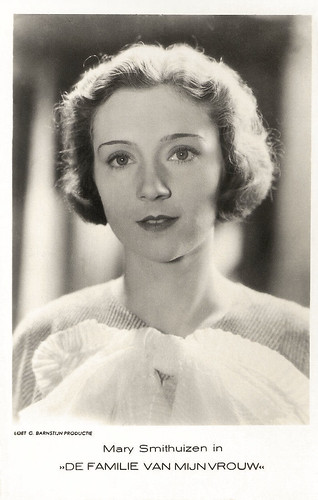
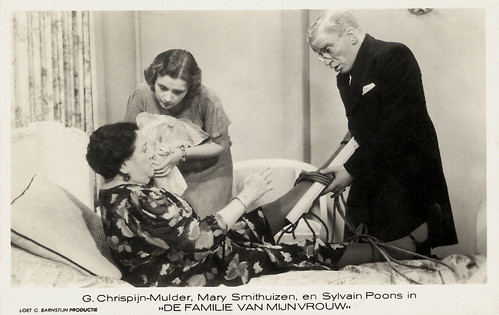
Dutch postcard by M. B.& Z. (M. Bonnist & Zonen, Amsterdam). Photo: Loet C. Barnstijn Productie. Publicity still for De familie van mijn vrouw / My Wife's Family (1935) with Mary Smithuysen and Gusta Chrispijn-Mulder.

Dutch postcard by Uitgave Protestantse Gezondheidszorg. Photo: Studio Hoge Vuursche (G.B.H. Niestadt). Sylvain Poons in Vechten en dienen / Fight and Serve (1953). Caption: De Chirurgijn (The Surgeon).
Sylvain Poons and Heintje Davids sing 'Omdat ik zoveel van je hou' in De Jantjes (Jaap Speyer, 1934). Source: Pieteroyama (YouTube).
Sources: Muziekencyclopedie.nl (Dutch), Wikipedia (Dutch), and IMDb.
This post was last updated on 26 April 2026.
Dutch postcard by M. Bonist & Zonen, Amsterdam, no. B 314. Photo: Loet C. Barnstijn / Hollandia Film Prod. Henriëtte Davids and Sylvain Poons in De Jantjes / The Tars (Jaap Speyer, 1934).
Dutch postcard by Monopole Film, Amsterdam. Photo: Maarseveen, Den Haag. Sylvain Poons in the Dutch tragicomedy Bleeke Bet / Bleak Beth (Richard Oswald, Alex Benno, 1934).
Dutch postcard by Monopole Film, Amsterdam. Photo: Maarseveen, Den Haag. Sylvain Poons and Johan Heesters in the Dutch tragicomedy Bleeke Bet (Richard Oswald, Alex Benno, 1934). Collection: Geoffrey Donaldson Institute.
Dutch postcard by M. B.& Z. (M. Bonnist & Zonen, Amsterdam). Photo: Loet C. Barnstijn Productie. Still for De familie van mijn vrouw / My Wife's Family (Jaap Speyer, 1935).
Dutch postcard by Drukkery Joh. Mulder, Gouda for Victoria Bioscoop. Photo: Dick van Maarseveen / N.V. Monopole Film. Sylvain Poons and Hansje Andriesen in De Big van het Regiment / The Darling of the Regiment (Max Nosseck, 1935).
Natural way of acting
Sylvain Albert Poons was born in Amsterdam, The Netherlands, in 1896. As the son of the singer Salomon Poons and the actress Elise van Biene, he was destined to become an artist, like his elder sister Fanny Ella, who became known as Fanny Lohoff-Poons.
Sylvain debuted as a stage extra in the season of 1912-1913 for Colnot & Poons, a company named after the two directors of the Plantage Schouwburg (Plantage Theatre): Guus Colnot and Salomon Poons, Sylvain’s father. He played in operettas and variety shows, and once in a while, he appeared in a 'serious' role.
Poons also worked for the early Dutch cinema. He appeared in silent films as Levensschaduwen / Life's Shadows (Theo Frenkel, 1916), De Duivel / The Devil (Theo Frenkel, 1918), Het Proces Begeer / The Begeer Case (Theo Frenkel, 1918) and Moderne Landhaaien / Modern Land Sharks (Alex Benno, 1926). Poons was remarked for his natural way of acting. With Henriëtte ‘Heintje’ Davids, he played in the early Belgian sound film Jeunes filles en liberté / Young Girls in Freedom (Fritz Kramp, 1933).
Poons also appeared in one of the first Dutch sound films, De Jantjes / The Tars (Jaap Speyer, 1934). This musical film was an enormous box office hit and starred popular Dutch stage stars as Fien de la Mar, Heintje Davids, and Louis Davids, Heintje's even more popular brother. In the film, Poons sings a song with Heintje, 'Omdat ik zoveel van je hou' (Because I love you so much). It became a classic duet, and the success of De Jantjes created a wave of Dutch sound films.
That same year, Poons appeared as the smart ice-cream man Sally in Bleeke Bet / Pale Beth (Alex Benno, Richard Oswald, 1934) with Corry Vonk and Johannes Heesters. Other films in which he appeared were De Familie Van Mijn Vrouw / My Wife’s Family (Jaap Speyer, 1935), De Big Van Het Regiment / The Big of the Regiment (Max Nosseck, 1935) with Frits van Dongen a.k.a. Philip Dorn, Kermisgasten / Carnival People (Jaap Speyer, 1936) with Johan Kaart, and Oranje Hein / Orange Hein (Max Nosseck, 1936) with Herman and Aaf Bouber.
Dutch postcard. Photo: Loet C. Barnstijn/Hollandia Film Prod. Publicity still for De Jantjes / The Tars (1934), Sylvain Poons together with Heintje Davids in the background.
Dutch postcard by Hollandia Film Prod./Loet C. Barnstijn. Photo: publicity still for De Jantjes / The Tars (1934) with Johan Kaart, Suzy Klein, Willy Costello, Heintje Davids, Jan van Ees and Sylvain Poons. Collection: Geoffrey Donaldson Institute.
Dutch Postcard by Monopole Film, Rotterdam. Photo: Dick van Maarseveen, Den Haag (The Hague). Publicity still for Bleeke Bet / Pale Beth (1934), fourth from left, Sylvain Poons.
Dutch postcard by Monopole Film, Amsterdam. Photo: Maarseveen, Den Haag. Clara Vischer-Blaaser, Aaf Bouber, Sylvain Poons, Corry Vonk, Fien de la Mar and Jopie Koopman in the Dutch tragicomedy Bleeke Bet / Pale Beth (Richard Oswald, Alex Benno, 1934).
Hiding place
During the Second World War, Sylvain Poons was a member of the Joodsch Kleinkunstensemble (Jewish Variety Company). They performed in the Hollandse Schouwburg (Dutch Theatre) in Amsterdam, which was renamed Joodsche Schouwburg (Jewish Theatre). When it was no longer safe for Jews, he fled into a hiding place.
After the liberation, he appeared again in a lot of plays on stage and on TV. For a long time, he was a permanent member of the radio actors' company. He also appeared in some films, such as the Belgian-German crime film Le Banquet des Fraudeurs / The Smugglers' Banquet (Henri Storck, 1952) with Françoise Rosay. He also played supporting parts in the Dutch films Vier Jongens en een Jeep / Four Boys and a Jeep (Ernst Winar, 1955) and Fietsen Naar De Maan / Cycling to the Moon (Jef van der Heyden, 1963).
He had a huge hit with his duet 'De Zuiderzeeballade' (The Southern Sea Ballad, 1959), sung with the 14-year-old Oetze Verschoor as an old man and his grandson. The record became gold (more than 100,000 records were sold). Poons also recorded several Jewish songs and classics from his pre-war film musicals, including 'Sally met de roomijskar' (Sally with the Ice Cream Cart) from Bleeke Bet (1934) and his classic duet with Heintje Davids from De Jantjes (1934), 'Omdat ik zoveel van je hou' (Because I love you so much).
In later life, he often played the Jewish schlemiel, like his character Abraham Mossel in the popular TV series De kleine waarheid / The Little White Lie (Willy van Hemert, 1971-1972) starring singer Willeke Alberti in her acting debut. His final stage play was the comedy 'Getrouwd of niet?' (Black on White) by Ephraim Kishon in 1967/1968, which also marked his 50 years Jubilee in the theatre. In 1973, he had to retire because of bad health.
Later, he was made a Knight in the Order of Orange-Nassau. After the death of his wife, Ilse Becker, he lived the last years of his life in an elderly home in Amsterdam. Sylvain Poons died in 1985, 89 years old.
Dutch postcard by Monopole Film N.V. Photo: Dick van Maarseveen. Still for De Big van het Regiment (Max Nosseck, 1935) with Johan Kaart, Sylvain Poons, Hansje Andriesen, Matthieu van Eysden, and Adolphe Engers. Collection: Geoffrey Donaldson Institute.
Dutch postcard by M. B.& Z. (M. Bonnist & Zonen, Amsterdam). Photo: Loet C. Barnstijn Film. Still for De familie van mijn vrouw (Jaap Speyer, 1935) with Loesje Bouwmeester, Gusta Chrispijn-Mulder, Sylvain Poons and Tilly Perin-Bouwmeester.
Dutch postcard by M. B.& Z. (M. Bonnist & Zonen, Amsterdam). Photo: Loet C. Barnstijn Productie. Publicity still for De familie van mijn vrouw / My Wife's Family (1935) with Mary Smithuysen and Gusta Chrispijn-Mulder.
Dutch postcard by Uitgave Protestantse Gezondheidszorg. Photo: Studio Hoge Vuursche (G.B.H. Niestadt). Sylvain Poons in Vechten en dienen / Fight and Serve (1953). Caption: De Chirurgijn (The Surgeon).
Sylvain Poons and Heintje Davids sing 'Omdat ik zoveel van je hou' in De Jantjes (Jaap Speyer, 1934). Source: Pieteroyama (YouTube).
Sources: Muziekencyclopedie.nl (Dutch), Wikipedia (Dutch), and IMDb.
This post was last updated on 26 April 2026.